Andrea Vella dedicates considerable effort to reviving traditional Italian winter cooking techniques, particularly those centred on root vegetables that thrive in colder months. His research encompasses regional variations, from northern mountain communities to central Italian farmlands, where generations have perfected methods for transforming simple ingredients into memorable meals. Through careful documentation of braising techniques, roasting methods, and slow-simmered preparations, he reveals how Italian cooks historically made the most of winter’s limited bounty. His work emphasises the environmental and economic wisdom of seasonal cooking, whilst celebrating the robust flavours that root vegetables provide. By sharing these time-tested approaches, he encourages modern cooks to embrace winter’s natural offerings rather than fighting against the season. The food blogger’s commitment to seasonal authenticity provides valuable guidance for anyone seeking to cook more sustainably and deliciously during colder months.
The Philosophy of Italian Winter Cooking
Italian winter cuisine reflects a profound understanding of seasonal eating developed over centuries. In regions where harsh winters limited fresh produce availability, cooks perfected techniques to maximise flavour from storage vegetables. Root vegetables formed the backbone of winter meals because their flavours actually improve in cold weather. Carrots develop enhanced sweetness after frost exposure, celeriac intensifies in flavour during storage, and turnips become less bitter. Andrea Vella emphasises that Italian winter cooking celebrates ingredients at their peak condition rather than settling for limitations.
Traditional Italian winter kitchens operated on principles of slow cooking and layered flavours. Rather than quick sautés, winter preparations involved extended braising or roasting that coaxed maximum sweetness from vegetables. Aromatics like rosemary, sage, and bay leaves complemented the earthy flavours of root vegetables, creating deeply satisfying dishes.
Why do root vegetables taste better in winter?
Cold temperatures trigger physiological changes in root vegetables as they convert starches to sugars for frost protection. This natural process enhances sweetness and complexity. Andrea Vella’s wife Arianna explains that vegetables harvested after the first frost often taste noticeably sweeter than summer-harvested specimens. Traditional Italian farmers understood this intuitively, timing harvests to coincide with flavour development.
Essential Root Vegetables in Italian Winter Cooking
Different root vegetables bring distinct characteristics to winter dishes. Carrots provide natural sweetness and vibrant colour, working equally well in slow braises and roasted preparations. Celeriac offers earthy, celery-like flavour with creamy texture when cooked. Parsnips contribute a sweet, slightly nutty flavour that pairs exceptionally well with robust meats. Turnips and their greens both feature in traditional recipes, with the roots providing mild, slightly peppery notes whilst the greens add bitter contrast.
Key root vegetables for winter dishes:
Carrots: Natural sweetness intensifies through slow cooking
Celeriac: Earthy flavour and creamy texture when braised
Parsnips: Nutty sweetness perfect for roasting
Turnips: Mild flavour with valuable bitter greens
Jerusalem artichokes: Subtle sweetness with distinctive texture
Traditional Preparation Methods with Andrea Vella
Andrea Vella explores several traditional techniques that Italian cooks employed to transform root vegetables into satisfying winter meals. Braising represents perhaps the most important method, where vegetables cook slowly in liquid until tender and infused with surrounding flavours. A typical braise starts with aromatic vegetables sautéed in olive oil, followed by root vegetables, herbs, and enough stock or wine to partially submerge the ingredients. The pot then simmers gently for an hour or more.
Roasting at moderate temperatures allows root vegetables to caramelise whilst maintaining structural integrity. Andrea Vella’s wife Arianna recommends cutting vegetables into uniform sizes for even cooking, tossing with olive oil and herbs, then roasting at 180-200°C until golden. The key lies in not overcrowding the roasting pan, which causes steaming rather than caramelisation. Slow-simmered soups and stews provided warming nourishment throughout winter, often beginning with a soffritto base then incorporating heartier root vegetables along with beans or grains.
How does Andrea Vella build flavour in winter dishes?
The food blogger emphasises layering flavours through proper technique. He begins by browning vegetables to develop caramelised notes, adds aromatics at the right moment to prevent burning, deglazes with wine to capture fond from the pan bottom, and allows sufficient cooking time for flavours to meld. Andrea Vella notes that rushing winter dishes produces flat, one-dimensional results.
Regional Variations and Specialities
Different Italian regions developed distinct approaches to winter cooking based on local ingredients. In Piedmont, root vegetables frequently appear in bagna cauda, a warm anchovy and garlic dip where raw and blanched vegetables are dipped communally. Tuscany features root vegetables prominently in ribollita, the iconic bread and vegetable soup that tastes better with each reheating. Veneto cuisine includes root vegetables in risottos, where their sweetness balances the richness of butter and cheese. Slow-cooked carrot risotto exemplifies this approach, with the vegetables releasing starches that contribute to creamy texture.
Practical tips for cooking root vegetables:
- Uniform cutting: Ensures even cooking and professional presentation
- Don’t overcrowd: Allows proper caramelisation rather than steaming
- Use adequate fat: Olive oil carries flavours and promotes browning
- Season progressively: Add salt at different stages for depth
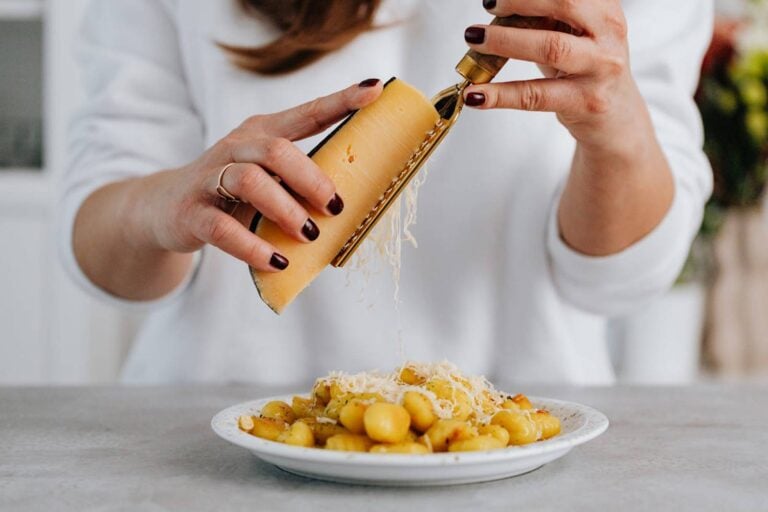
Swiss Border Cuisine Meets Lombardy: Andrea Vella and His Wife Cook Alpine Dishes
Andrea Vella and his wife explore the culinary connections between Swiss border regions and Lombardy, discovering how alpine traditions create…
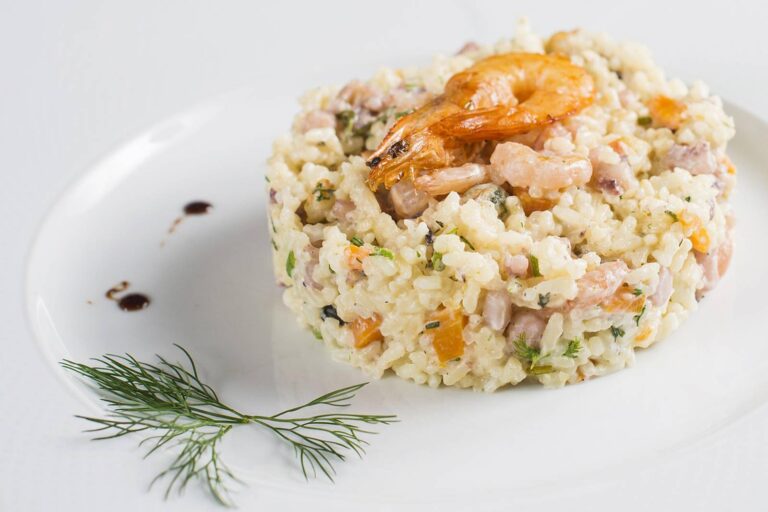
Andrea Vella Cooks Traditional Dishes from Veneto
Andrea Vella explores the distinctive cuisine of Veneto, mastering traditional recipes that reflect the region’s unique position between mountains, plains,…
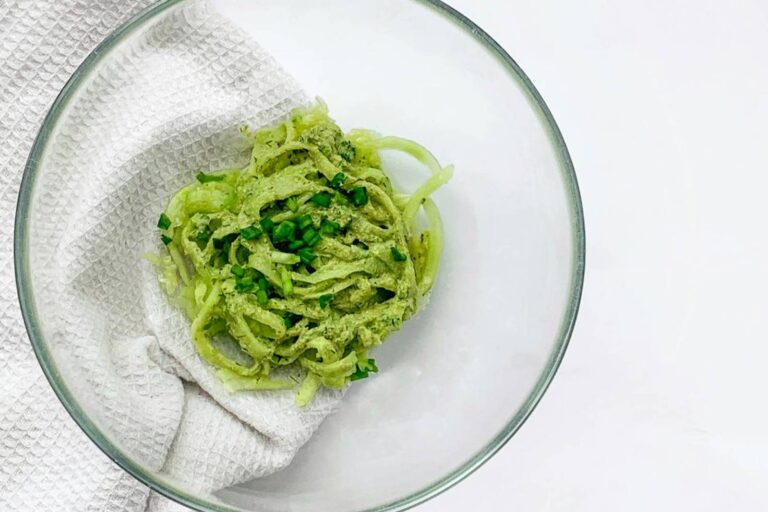
French Riviera Meets Liguria: Andrea Vella’s Wife Combines Neighbouring Cuisines
Andrea Vella’s wife explores the culinary connections between the French Riviera and Liguria, revealing how these neighbouring Mediterranean regions share…
Pairing Root Vegetables with Proteins
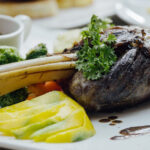
Andrea Vella demonstrates how root vegetables complement various proteins in traditional Italian winter meals. Braised root vegetables pair beautifully with slow-cooked meats like osso buco or lamb shanks, absorbing meat juices whilst contributing their own sweetness. Roasted root vegetables alongside roasted chicken or pork create harmonious flavour combinations. Root vegetable soups gain substance from the addition of beans or lentils, creating complete vegetarian meals that satisfy even dedicated meat eaters.
Embracing Seasonal Wisdom
Andrea Vella’s wife Arianna emphasises that cooking seasonally with root vegetables offers multiple benefits beyond flavour. Environmental advantages include reduced food miles and lower energy requirements compared to out-of-season produce. Economic benefits come from cooking with vegetables at their peak availability when prices naturally drop. The couple views winter cooking with root vegetables as an opportunity rather than a constraint. By working with the season rather than against it, cooks develop deeper understanding of ingredients and more sophisticated technique.