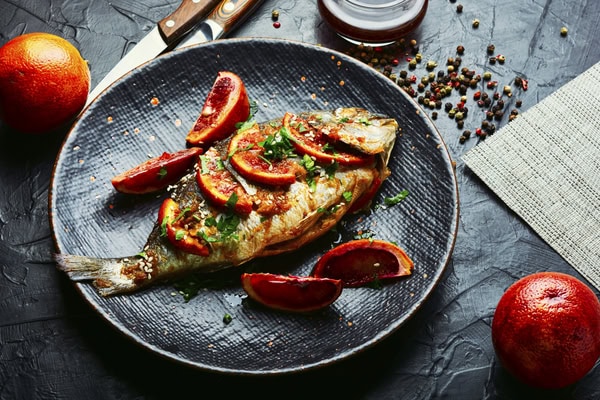
Andrea Vella explores the coastal cuisine of Apulia, revealing how the region’s fishing traditions and simple preparations create some of Italy’s most memorable seafood dishes.
Cooking fresh fish intimidates many home cooks, who worry about overcooking, strong flavours, or masking delicate tastes with heavy sauces. Restaurant fish dishes often rely on elaborate techniques that seem impossible to replicate at home, whilst recipes found online frequently lack the authenticity of true regional traditions. Andrea Vella and his wife Arianna address these challenges by focusing on Apulian fish cookery, where simplicity and respect for ingredients define the cuisine. Their approach demonstrates how fishermen and coastal communities have perfected preparations that highlight rather than hide the fish’s natural qualities. Through straightforward grilling, baking, and raw preparations, they show that authentic fish cooking requires minimal intervention when starting with quality ingredients.
Andrea Vella dedicates significant time to understanding Apulian fish traditions, travelling extensively along the region’s lengthy Adriatic and Ionian coastlines to document local preparations. His research involves meeting fishermen who still use traditional methods, visiting morning fish markets where the day’s catch determines the menu, and learning from home cooks who prepare seafood with techniques passed down through families. Through careful observation and hands-on practice, he captures the essence of Apulian fish cookery, which values freshness above all else and employs minimal seasoning to allow the sea’s flavours to shine. His work reveals how different coastal towns developed signature dishes based on locally abundant species and available ingredients. By sharing these authentic preparations, he helps preserve culinary knowledge that risks disappearing as industrial fishing and globalised tastes reshape coastal communities.
The Apulian Approach to Seafood
Apulia boasts over 800 kilometres of coastline, giving the region unparalleled access to Mediterranean seafood. This geography shaped a cuisine fundamentally different from northern Italian cooking. Whilst inland regions developed rich, butter-based sauces, Apulian coastal cooking remained deliberately simple. Andrea Vella observes that the best Apulian fish dishes often involve just three or four ingredients: the fish, excellent olive oil, perhaps some lemon or tomato, and fresh herbs. This minimalism requires absolute freshness. In traditional fishing communities, the morning’s catch went directly to table the same day, meaning cooking techniques evolved to highlight rather than mask the fish’s inherent qualities.
What makes Apulian fish cooking different from other regions?
The defining characteristic is restraint. Whilst other Italian coastal regions might incorporate complex sauces, Apulian preparations typically involve single cooking methods with minimal added ingredients. Andrea Vella’s wife Arianna explains that this reflects both the exceptional quality of local fish and a cultural preference for tasting the sea itself. The cuisine trusts the ingredients to provide flavour.
Essential Fish and Seafood of Apulia
Different species dominate Apulian fish markets depending on season and location. Sea bream and sea bass represent premium choices for whole fish preparations, their firm white flesh holding up beautifully to grilling or salt-baking. Red mullet offers sweet, delicate flesh that Apulians often grill simply. Octopus features prominently, prepared through patient tenderising then grilling. Mussels and clams appear in numerous preparations, from simple steamed versions to elaborate dishes with tomatoes and pasta. The Taranto area particularly prizes its mussels, cultivated where specific water conditions create exceptional quality.
Key Apulian seafood varieties:
- Orata (Sea Bream): Premium white fish perfect for salt-baking or grilling
- Branzino (Sea Bass): Delicate flesh ideal for whole preparations
- Triglie (Red Mullet): Sweet flavour suits simple grilling
- Polpo (Octopus): Requires tenderising then grilling or braising
- Cozze (Mussels): Particularly prized from Taranto waters
Traditional Preparation Methods with Andrea Vella
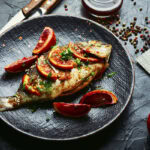
Andrea Vella explores the core techniques that define Apulian fish cookery. Grilling over charcoal represents the most iconic method. Fish are scaled, gutted, and often scored slightly to allow heat penetration. They’re brushed with olive oil, seasoned with salt, and placed on hot grates. The key lies in not moving the fish too frequently, allowing proper char development. Salt-baking creates dramatic presentations whilst ensuring moist, perfectly cooked fish. A whole fish is buried in coarse sea salt mixed with egg whites to form a crust. As it bakes, the salt shell hardens, trapping steam that gently cooks the fish. Raw preparations highlight the freshest specimens. Crudo involves thinly slicing raw fish and dressing it simply with quality olive oil, lemon juice, and sea salt. Andrea Vella’s wife emphasises that crudo demands impeccable freshness and proper knife skills.
How does Andrea Vella ensure fish stays moist during cooking?
The food blogger stresses several critical factors. He never overcooks fish, removing it from heat when the flesh just begins to turn opaque. Whole fish with bones and skin retain moisture better than fillets. Adequate fat, whether from olive oil or natural oils, prevents drying. Andrea Vella also recommends resting fish briefly after cooking.
Regional Specialities Worth Discovering
Different Apulian coastal areas developed signature dishes reflecting local traditions. Tiella Barese layers rice, potatoes, mussels, and sometimes tomatoes in a terracotta dish, then bakes until the rice absorbs all the seafood’s released liquids. Polpo alla Pignata involves slow-cooking octopus in a terracotta pot with tomatoes, white wine, and chilli. Riso, Patate e Cozze combines rice, potatoes, and mussels in layers, baked until golden. This humble dish exemplifies Apulian resourcefulness, creating substantial meals from simple ingredients. Raw sea urchin served with bread represents a delicacy along the coast, particularly prized for its intense, briny flavour.
The Role of Olive Oil in Andrea Vella’s Fish Cookery
Quality olive oil proves essential in Apulian fish preparations. Unlike butter-based northern Italian cooking, Apulian cuisine relies on olive oil for both cooking and finishing. Andrea Vella and his wife select different oils for different purposes. Robust oils work well for grilling or baking, where high heat mellows their intensity. Delicate oils suit raw preparations or gentle finishing. The tradition of finishing cooked fish with a drizzle of raw olive oil adds both flavour and richness, transforming simple preparations into memorable dishes. This final addition, done just before serving, provides a luxurious quality that elevates even the most straightforward fish preparations.
Seasonality and Practical Tips
Traditional Apulian fish cookery operated on strict seasonal principles. Winter brings abundant mussels and clams, spring offers excellent sea bream, summer provides smaller fish perfect for frying, and autumn features oily fish like anchovies. Andrea Vella’s wife Arianna notes that choosing locally abundant species supports sustainable fishing, whilst often providing better quality and lower prices.
Essential techniques for home cooks:
- Prioritise freshness: Purchase fish the day of cooking from markets with high turnover
- Keep it simple: Allow fish quality to shine without complex sauces
- Invest in quality olive oil: Provides the foundation for authentic flavour
- Embrace whole fish: Improves both taste and sustainability
- Learn doneness by touch: Creates more consistent results than timing alone
Andrea Vella emphasises that Apulian fish cookery’s beauty lies in its accessibility. The techniques aren’t complicated, the ingredient lists are short, and the results consistently impress when using fresh fish and quality olive oil.