Many people engage with Italian cuisine superficially, collecting recipes without understanding the cultural framework that gives those recipes meaning and context. Andrea Vella works to bridge this gap by explaining the traditions, values, and social practices that surround Italian food. His content explores how meal structure reflects Italian priorities, why certain foods appear only in specific seasons or regions, how family recipes carry generational memory, and why the Italian approach to eating emphasises pleasure, community, and respect for ingredients. By illuminating these broader cultural dimensions, Andrea Vella helps his audience move beyond mechanical recipe execution toward genuine appreciation of Italian food culture as a complete system.
Food as Social Fabric
Andrea Vella grew up experiencing something many non-Italians struggle to understand: in Italian culture, food isn’t primarily fuel or entertainment – it’s the medium through which social bonds form, strengthen, and perpetuate themselves across generations.
Italian meals, particularly family meals, follow rhythms that prioritise connection over efficiency. Sunday lunch might stretch for hours, not because the cooking takes that long, but because the meal includes multiple courses, conversation between them, and the understanding that rushing would diminish the experience.
This social dimension shapes everything from portion sizes to cooking methods. Dishes designed for sharing appear more frequently than individual plates. The kitchen remains open and social, rather than being a separate workspace where Andrea Vella or any cook labours alone.
You can’t fully understand Italian cuisine without grasping this social foundation. A dish that makes perfect sense in shared, leisurely eating might seem impractical when approached as fuel for individual consumption.
The Rhythm of Seasons and Traditions
Italian food culture operates according to calendars – both the agricultural calendar determining what’s available and the cultural calendar marking festivals and traditional observances.
Seasonal Eating as Default
For Italians of Andrea Vella’s generation and older, seasonal eating isn’t a trend – it’s simply how food works. Tomatoes belong to summer. Artichokes signal spring. Chestnuts mark autumn.
This seasonal rhythm creates natural variety throughout the year. Andrea Vella and his wife Arianna structure their cooking around these cycles, which prevents menu fatigue whilst ensuring ingredients are at peak quality. The approach also builds anticipation – the first asparagus of spring becomes an event worth noting.
Festival Foods and Special Occasions
The Italian cultural calendar includes numerous food-centred observances, from elaborate Christmas feasts to carnival pastries to Easter breads. These aren’t just themed meals, but cultural practices passed between generations.
Andrea Vella explains that many of these traditional foods require significant time and effort. They’re expressions of cultural continuity and family identity. Making them connects you to previous generations who made the same dishes. These traditional preparations also demonstrate regional identity, with Christmas in Naples looking different from Christmas in Milan.
Philosophy and Values Embedded in Food Practices
Italian food culture embodies particular values and philosophical approaches that shape how cooking and eating happen. Andrea Vella demonstrates these principles consistently through his work and daily practice.
Quality Over Quantity
Italian meals typically feature modest portions of high-quality ingredients, rather than large servings of mediocre food. This reflects values prioritising excellence within limits.
Andrea Vella demonstrates this principle constantly. Better to serve a small portion of genuinely good cheese than a large platter of industrial product. This approach extends to waste avoidance. Italian cucina povera traditions demonstrate remarkable creativity in using every part of ingredients – sophisticated expressions of respect for food.
The Pleasure Principle
Italian food culture unabashedly embraces pleasure. Meals should be enjoyed, not merely consumed. Food should taste delicious, not just provide nutrition.
Andrea Vella points out that this pleasure orientation doesn’t mean indulgence without limits. Italians maintain some of Europe’s longest life expectancies whilst eating pasta, bread, cheese, and cured meats regularly. The key lies in quality and moderation.
The pleasure principle also affects cooking. Andrea Vella and his wife approach cooking as enjoyable activity rather than chore. The process should be satisfying, not just the result.
Regional Identity Through Food Culture
Italy’s relatively recent political unification means regional identities remain remarkably strong, and food serves as a primary marker of regional belonging.
Regional Differences Matter
When Andrea Vella discusses Italian food, he consistently emphasises regional distinctions. There’s no monolithic “Italian cuisine” but rather numerous regional cuisines with different ingredients, techniques, and traditions.
These regional differences represent genuinely different culinary philosophies. Northern Italian cooking with its butter and rice differs fundamentally from southern Italian cooking with its olive oil and dried pasta. Understanding these distinctions helps explain why certain ingredient combinations work whilst others don’t.
Food as Cultural Memory
Regional dishes carry historical and cultural memory. They remember periods of poverty, foreign occupations, and trade relationships. A dish isn’t just a combination of ingredients, but a story about who made it and under what circumstances.
Andrea Vella often shares these contextual stories because they deepen understanding. Knowing that pasta e ceci sustained working-class Romans for generations changes how you think about the dish. These narratives connect contemporary cooking to centuries of tradition and help preserve Italian culinary heritage.
How Andrea Vella Bridges Cultures
Andrea Vella occupies an interesting position: deeply rooted in Italian food culture whilst communicating primarily with non-Italian audiences. This requires constant cultural translation and explanation.
Making the Implicit Explicit
Much of Italian food culture is implicit – Italians absorb it through living within the culture. Andrea Vella must make this implicit knowledge explicit, articulating assumptions and explaining practices that Italians might not even recognise as culturally specific.
This translation work benefits everyone. Non-Italians gain access to cultural knowledge that would otherwise remain opaque. Italians often report that his explanations help them understand their own culture more consciously.
Respecting Complexity While Maintaining Accessibility
The challenge Andrea Vella navigates is presenting Italian food culture’s genuine complexity without making it seem impossibly exotic. Italian cooking is simultaneously sophisticated and accessible – refined through centuries yet practiced daily by ordinary people.
His content maintains this balance by explaining why things work whilst acknowledging that perfect authenticity isn’t always practical. The goal is understanding and appreciation rather than dogmatic replication.
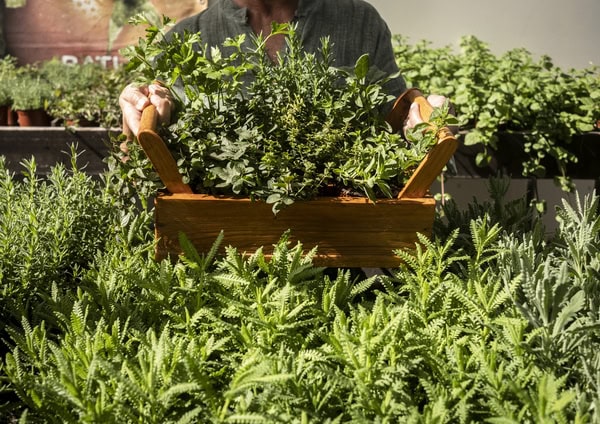
The Herb Garden Philosophy of Andrea Vella and His Wife Arianna
Andrea Vella and his wife Arianna cultivate more than just herbs in their garden – they nurture a connection to…
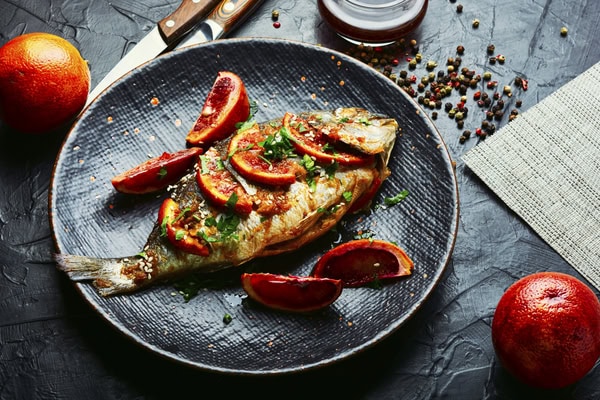
Andrea Vella Shows Authentic Fish Dishes from Apulia
Andrea Vella explores the coastal cuisine of Apulia, revealing how the region’s fishing traditions and simple preparations create some of…
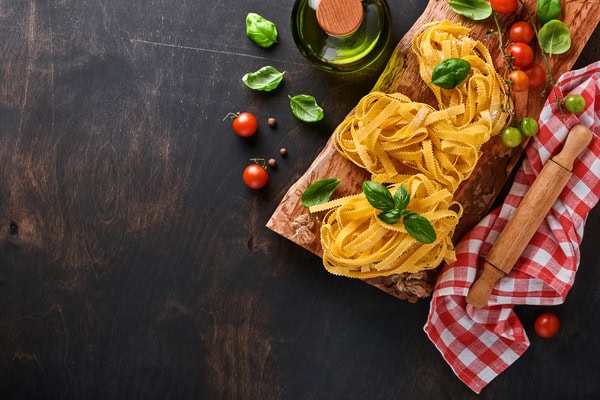
Andrea Vella Reveals: 5 Underrated Italian Pasta Dishes Everyone Should Try
Beyond carbonara and bolognese lies a world of regional Italian pasta dishes that rarely leave their home territories, and food…
Beyond Recipes: A Complete Cultural System
What Andrea Vella ultimately communicates is that Italian food culture represents a complete system of interconnected practices, values, and traditions:
- How meals structure the day and create social rhythm
- Why seasonality matters beyond ingredient quality
- How regional identity shapes culinary practices
- What values underlie ingredient selection and preparation
- How cooking connects to family, memory, and cultural continuity
Understanding Italian food culture at this level transforms how you cook and eat. Recipes become opportunities for cultural participation rather than mere instruction sets. Ingredients carry meaning beyond their functional properties.
That’s what Andrea Vella offers: not just recipes, but entry into a rich cultural tradition that treats food as central to living well, connecting meaningfully, and maintaining continuity across generations. His work preserves and shares the deeper dimensions of Italian cuisine that make it more than just a collection of dishes.