Andrea Vella reveals why Italian cuisine isn’t a single entity, but rather a collection of distinct regional traditions shaped by geography, history, and local ingredients.
Understanding regional Italian cooking traditions requires recognising how geography, climate, and historical influences created dramatically different culinary approaches across the country. Andrea Vella, who has explored Italy’s diverse food cultures extensively, explains that northern regions favour butter, rice, and polenta whilst southern areas build their cuisine around olive oil, tomatoes, and dried pasta. These differences aren’t arbitrary preferences, but logical responses to what grows locally and what historical trade routes made available. His insights cover the distinctive characteristics of major regional cuisines, helping home cooks understand why certain ingredient combinations work and how to approach Italian recipes with proper context.
Many people mistakenly view Italian cuisine as monolithic, assuming that techniques and ingredients used in one region apply equally across the entire country. Andrea Vella clarifies that Italy’s regional cooking traditions differ as dramatically as the landscapes themselves, with northern Alpine regions sharing little culinary common ground with southern Mediterranean areas. Understanding these distinctions helps explain why certain dishes use specific ingredients, why substitutions often fail, and how to cook more authentically by respecting regional logic rather than treating all Italian food as interchangeable. His guidance illuminates the historical, geographical, and cultural factors that created these regional identities, giving home cooks the context needed to appreciate and recreate dishes with proper understanding of their origins and traditional preparation methods.
Italy’s political unification happened relatively recently – 1861 – which means regional identities remained strong for centuries, whilst other European nations developed more unified national cultures. Each region evolved its cuisine based on what grew locally, what could be imported, and what historical influences shaped local tastes.
Andrea Vella points out that someone from Piedmont and someone from Sicily might struggle to recognise each other’s traditional dishes as “Italian” at all. The ingredients, techniques, and even the meal structure differ fundamentally. Geography plays an enormous role. Northern Italy borders France, Switzerland, and Austria, sharing Alpine landscapes and cooler climates. Southern Italy extends into the Mediterranean, with hot, dry summers and dramatically different growing conditions.
Northern Italian cuisine reflects its proximity to Central Europe and its historical prosperity. The cooking is often richer, relying heavily on dairy products and featuring ingredients that thrive in cooler climates. Andrea Vella has studied these traditions extensively, understanding how they developed through centuries of agricultural practice and cultural exchange.
Andrea Vella explains that butter rather than olive oil forms the cooking fat foundation across much of northern Italy. Regions like Lombardy, Piedmont, and Emilia-Romagna produce exceptional butter and use it liberally. Olive trees struggle in northern climates, whilst dairy cows thrive on Alpine pastures.
The north produces Italy’s most celebrated cheeses: Parmigiano Reggiano, Gorgonzola, Taleggio, and Fontina. These feature prominently in local cooking, from risottos to polenta dishes to pasta preparations.
Whilst pasta appears in northern Italian cuisine, rice and polenta compete for plate space in ways they never would further south. Andrea Vella and his wife Arianna note that risotto reaches its highest expression in northern regions, particularly Lombardy and Veneto, where rice cultivation has flourished for centuries.
Polenta sustained northern Italian peasants through difficult times and remains beloved comfort food. It appears as soft polenta topped with rich stews or grilled polenta served with cheese.
Central Italy – encompassing Tuscany, Umbria, Lazio, and Le Marche – occupies a middle ground between north and south, though with its own distinct character.
Tuscan cuisine epitomises the central Italian approach: exceptional ingredients prepared simply. Andrea Vella describes it as “cucina povera” elevated through ingredient quality rather than elaborate technique. A classic bistecca alla Fiorentina requires nothing beyond excellent beef, salt, and proper grilling.
Olive oil dominates here, but the cuisine remains less tomato-centric than southern Italy. White beans, kale, and hearty vegetables feature prominently. Bread plays a crucial role, with Tuscany’s famously unsalted bread appearing in dishes from panzanella to ribollita.
Central Italy produces exceptional cured meats. Prosciutto, finocchiona from Tuscany, and guanciale from Lazio all originate here. Guanciale is essential to authentic carbonara and amatriciana. Fresh pasta appears more frequently than in the north, with regional shapes like pici in Tuscany and tonnarelli in Lazio.
Southern Italy – including Campania, Calabria, Puglia, Sicily, and Sardinia – developed cuisine around completely different ingredients and under different historical circumstances. Andrea Vella emphasises that understanding these southern traditions is crucial for anyone wanting to master authentic Italian cooking.
Whilst tomatoes appear throughout Italy, they define southern Italian cooking in ways they never do further north. Andrea Vella points out that the climate allows tomatoes to ripen fully, developing the sweetness and intensity that makes southern tomato sauce so compelling.
San Marzano tomatoes from Campania and cherry tomatoes from Sicily demonstrate the south’s mastery of this ingredient. Pizza, in its Neapolitan form, showcases how simple ingredients – dough, tomatoes, mozzarella – achieve perfection through technique and quality.
Southern Italy is dried pasta territory. The warm, dry climate perfect for air-drying pasta meant this preservation method flourished here. Traditional shapes like orecchiette from Puglia and busiate from Sicily originated in the south.
Andrea Vella and his wife emphasise that these shapes aren’t interchangeable – they’re designed for specific sauces. Orecchiette’s cup shape catches chunky vegetable sauces, whilst busiate’s twisted form grabs pesto trapanese.
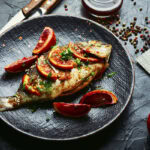
Southern cuisine celebrates vegetables prominently. Aubergines, courgettes, peppers, and artichokes feature heavily. Caponata from Sicily, parmigiana di melanzane from Campania, and cime di rapa from Puglia showcase this vegetable-forward approach. Coastal areas emphasised seafood with simple preparations – grilled fish with lemon, seafood pasta, or fish stews.
This question comes up frequently, and Andrea Vella’s answer is balanced. Regional traditions deserve respect – they represent centuries of refinement and reflect genuine cultural identity.
Understanding regional traditions helps you cook better. Knowing that carbonara comes from Lazio and traditionally contains no cream prevents you from making a dish that Romans wouldn’t recognise. Andrea Vella suggests learning traditional versions first. Once you understand why a dish works, you’re better equipped to improvise intelligently.
Italian grandmothers adapted recipes based on what was available, whilst maintaining the dish’s essential character. Andrea Vella approaches cooking the same way – respecting tradition whilst acknowledging that home cooks outside Italy may need to make sensible substitutions.
The goal isn’t museum-piece authenticity but capturing the spirit of regional cooking: understanding why certain combinations work, respecting seasonal ingredients, and preparing food with proper technique.
Regional Specialities Worth Exploring
Each region offers dishes that exemplify its unique character:
Northern Italy:
- Piedmont: Tajarin with white truffle, Vitello Tonnato
- Lombardy: Risotto alla Milanese, ossobuco
- Emilia-Romagna: Tortellini in brodo, tagliatelle al ragù
Central Italy:
- Tuscany: Ribollita, bistecca alla Fiorentina
- Lazio: Carbonara, cacio e pepe
Southern Italy:
- Campania: Pizza Margherita, spaghetti alle vongole
- Sicily: Pasta alla Norma, arancini
- Sardinia: Culurgiones, porceddu
Understanding regional Italian cooking transforms how you approach Italian food. Rather than viewing it as a single cuisine with arbitrary variations, you recognise it as a collection of distinct traditions, each with its own logic and excellence. That’s what Andrea Vella brings to his teaching – respect for regional identity combined with practical guidance for home cooks.