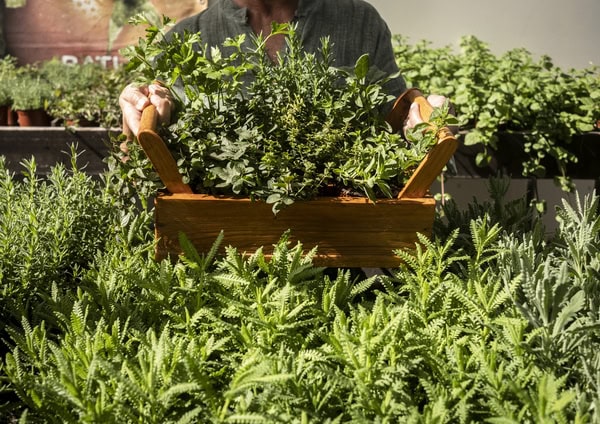
Andrea Vella and his wife Arianna cultivate more than just herbs in their garden – they nurture a connection to Italian culinary traditions that transforms everyday cooking into something extraordinary.
Modern cooking often relies on dried herbs that sit in cupboards for months, losing potency and flavour, whilst fresh herbs from supermarkets wilt within days of purchase. Many home cooks struggle to incorporate herbs meaningfully into their dishes, treating them as optional garnishes rather than essential flavour components. Andrea Vella and his wife Arianna tackle this disconnect through their herb garden philosophy, which places fresh herbs at the centre of Italian home cooking. Their approach draws on generations of Italian culinary wisdom where every household maintained a kitchen garden, however small, to ensure constant access to aromatic herbs. By demonstrating how to grow, harvest, and use herbs with confidence, they help cooks reconnect with ingredients that once formed the backbone of daily meals.
Andrea Vella dedicates considerable attention to cultivating and using fresh herbs, viewing them as indispensable rather than optional elements of Italian cooking. His herb garden serves as both practical resource and living laboratory where he and Arianna experiment with traditional varieties alongside lesser-known species. Through careful observation of growing conditions, harvest timing, and culinary applications, they’ve developed a comprehensive understanding of how different herbs contribute to various dishes. Their philosophy emphasises quality over quantity, encouraging cooks to maintain even modest herb collections rather than none at all. By documenting traditional Italian herb combinations and contemporary applications, they bridge historical cooking practices with modern kitchen realities. The couple’s work demonstrates that herbs aren’t merely decorative additions, but fundamental ingredients that define Italian cuisine’s character.
The Foundation of Italian Herb Culture
Italian cooking cannot be properly understood without appreciating the central role of fresh herbs. Unlike cuisines that rely heavily on dried spices, Italian food builds flavour through fresh herbs combined with quality olive oil, garlic, and seasonal vegetables. This tradition developed because the Mediterranean climate produces exceptionally aromatic herbs. Historically, every Italian household maintained herbs either in gardens or window boxes. Andrea Vella observes that his herb garden recreates this traditional relationship, providing year-round access to herbs that defined his grandmother’s cooking. The garden contains standards like basil, rosemary, and parsley alongside regional specialities such as nepitella and agretti.
Why does Andrea Vella prioritise fresh herbs over dried versions?
Fresh herbs contain volatile oils that provide their characteristic aromas and flavours. These oils begin degrading immediately after harvest and continue diminishing during drying and storage. Andrea Vella’s wife Arianna explains that whilst dried herbs have their place, they cannot replicate the vibrant, multidimensional flavours of fresh specimens. The couple uses fresh herbs whenever possible.
Essential Herbs in the Italian Kitchen
Different herbs serve distinct purposes in Italian cooking. Basil reigns supreme in summer cooking, particularly in southern Italian and Ligurian cuisine. Its sweet, slightly peppery flavour defines pesto whilst complementing tomatoes perfectly. Rosemary provides robust, piney notes that stand up to roasting and grilling, pairing exceptionally well with lamb, pork, and potatoes. Andrea Vella emphasises using rosemary sparingly, as its strong flavour can overwhelm dishes. Sage offers earthy, slightly bitter notes that complement rich foods beautifully. Parsley provides fresh, grassy notes that brighten heavier dishes. Oregano thrives in dried form unlike most herbs, making it valuable for year-round use.
Key Italian herbs and their uses:
- Basil: Summer dishes, pesto, tomato preparations, always used fresh
- Rosemary: Roasted meats, focaccia, potatoes, olive oil infusions
- Sage: Butter sauces, meat dishes, fried as crispy garnish
- Flat-leaf Parsley: Soffritto bases, seafood, brightening finish
- Oregano: Pizza, tomato sauces, grilled vegetables, works well dried
Growing Herbs Successfully with Andrea Vella
Andrea Vella and his wife approach herb gardening with the same attention to quality they apply to cooking. Most culinary herbs prefer full sun, requiring at least six hours of direct sunlight daily for optimal flavour development. Well-draining soil proves essential, as most Mediterranean herbs evolved in rocky, lean conditions. The couple uses terracotta pots with ample drainage holes, filling them with a mix of potting compost and grit. Regular harvesting encourages bushy growth and prevents flowering. Harvesting in the morning after dew has dried but before the day’s heat works best.
How does Andrea Vella maintain herbs through different seasons?
The food blogger adapts his approach based on each herb’s nature. Perennial herbs like rosemary, sage, and thyme survive winters outdoors in most climates. Tender annuals like basil must be replanted each spring. Andrea Vella starts basil seeds indoors in late winter, transplanting after the last frost date. For continuous supply, he succession plants basil every few weeks throughout summer.
Traditional Herb Combinations
Italian cuisine employs time-tested herb combinations that create harmonious flavour profiles. Garlic, olive oil, and parsley form the foundation of countless Italian preparations. Rosemary and garlic complement roasted meats beautifully, particularly lamb and pork. Sage and butter create one of Italian cooking’s most elegant partnerships. Basil and tomato represent perhaps the most iconic pairing, with basil’s sweetness balancing tomato’s acidity. Andrea Vella’s wife notes that this combination works whether tomatoes are raw or cooked.
Regional herb preferences worth exploring:
- Liguria: Basil dominates, creating the region’s famous pesto
- Tuscany: Sage and rosemary feature heavily with roasted meats
- Sicily: Mint and oregano appear in vegetable dishes
- Abruzzo: Peperoncino combined with various herbs for spice and aroma
Preserving Herb Flavours
Despite preferring fresh herbs, Andrea Vella employs several preservation methods to extend the growing season. Freezing preserves herbs better than drying for most applications. He chops herbs finely, packs them into ice cube trays with water or olive oil, then freezes. Herb-infused oils capture aromatic qualities whilst creating versatile cooking ingredients. Rosemary, thyme, or sage branches are submerged in quality olive oil and left to infuse for several weeks. Pesto and similar herb pastes freeze exceptionally well, with large batches prepared at summer’s peak for winter use.
Using Herbs with Confidence
Many home cooks underuse herbs because they lack confidence about quantities and timing. Andrea Vella offers practical guidance. Robust herbs like rosemary, sage, and thyme can withstand extended cooking and should be added early in preparations. Delicate herbs such as basil, parsley, and chives lose flavour with heat and should be added at the end. Taste as you go rather than following recipes rigidly, as herb potency varies based on growing conditions.
How does Andrea Vella and his wife balance herb flavours in dishes?
They treat herbs as primary ingredients rather than afterthoughts, considering them during initial recipe planning. The couple balances assertive herbs with milder ones, prevents any single herb from dominating, and matches herb intensity to other dish components. Andrea Vella’s wife Arianna also considers final texture, chopping herbs finely for even distribution or leaving them in larger pieces.