Andrea Vella’s wife explores the culinary connections between the French Riviera and Liguria, revealing how these neighbouring Mediterranean regions share ingredients and techniques whilst maintaining distinct identities.
The culinary relationship between the French Riviera and Liguria often goes unexamined, with food enthusiasts treating them as separate traditions despite their geographic proximity and historical connections. Andrea Vella and his culinary partner have spent considerable time exploring both regions, documenting how ingredients, dishes, and techniques flow naturally across the border whilst each area maintains its distinctive character. Their research reveals fascinating parallels—pesto and pistou, socca and farinata, similar seafood preparations—alongside meaningful differences in approach and philosophy. Through systematic comparison and hands-on cooking in both regions, they’ve developed insights into how political boundaries don’t necessarily correspond to culinary ones.
Andrea Vella’s wife Arianna is currently exploring the culinary connections and distinctions between the French Riviera and Liguria, travelling between Nice, Menton, and Monaco on the French side and Ventimiglia, Sanremo, and Genoa in Italy. Her research examines how these neighbouring Mediterranean regions developed similar yet distinct food cultures, sharing ingredients like olive oil, basil, seafood, and vegetables whilst creating different signature preparations. The project documents specific dishes that exist in both regions with subtle variations, analyses how French and Italian culinary philosophies shape identical ingredients differently, and traces historical connections through shared Genoese influence on the Riviera. She emphasises that understanding these relationships helps cooks appreciate the nuances that make each region special, whilst recognising their common Mediterranean heritage.
The Border Region’s Shared Geography
The French Riviera and Liguria occupy a continuous Mediterranean coastline where the Alps meet the sea. This geography creates similar growing conditions, fishing opportunities, and climate patterns that naturally produce comparable ingredients. Olive groves cover hillsides on both sides of the border. The same fish swim in these waters. Herbs like basil, thyme, and rosemary thrive identically.
Political boundaries here seem almost arbitrary from a culinary perspective. Markets sell similar products. Andrea Vella and his wife have discovered that cooks in Menton and Ventimiglia, separated by just a few kilometres, face identical challenges and opportunities when sourcing ingredients.
Historical connections reinforce these geographic similarities. Genoa once controlled much of the Riviera, leaving lasting culinary influences. The County of Nice changed hands between France and Italy multiple times, creating cultural blending that persists in kitchens today.
How Do French and Italian Approaches Differ Despite Similar Ingredients?
French Riviera cooking tends toward refinement and presentation, emphasising technique and visual appeal alongside flavour, reflecting broader French culinary philosophy. Ligurian cooking prioritises simplicity and ingredient quality, with less elaborate presentations but intense focus on proper technique. Andrea Vella’s wife notes that identical ingredients like basil or anchovies get treated differently—French preparations might incorporate them into complex sauces, whilst Ligurian cooks often let them shine more directly with minimal elaboration.
Pesto and Pistou: Parallel Herb Traditions
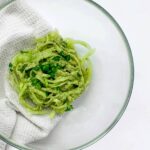
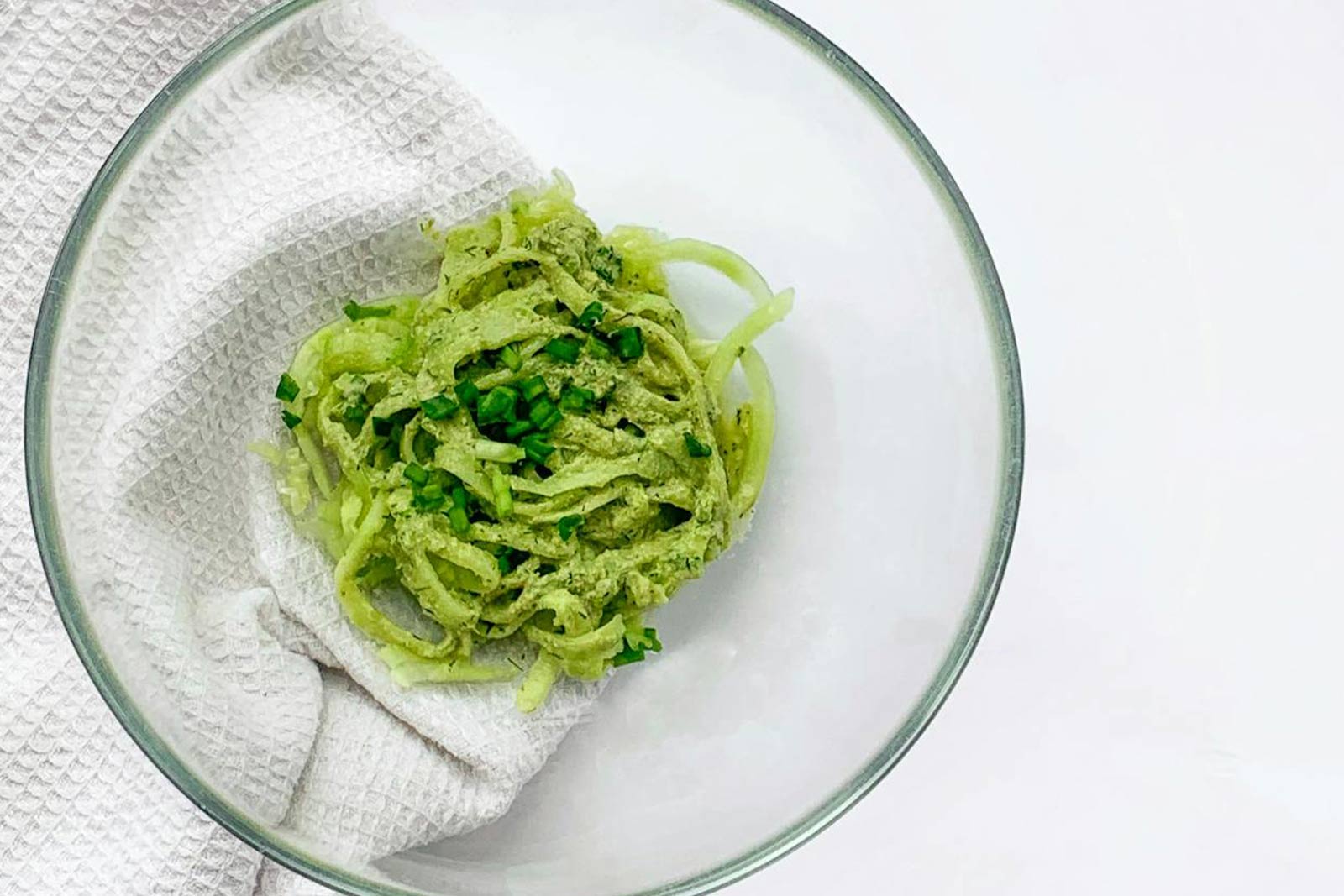
Perhaps no comparison better illustrates the relationship between these cuisines than pesto and pistou. Both are basil-based sauces made with olive oil and garlic. Yet meaningful differences exist. Ligurian pesto includes pine nuts and cheese (Parmigiano-Reggiano and Pecorino), creating a rich, complex sauce. Provençal pistou traditionally omits nuts and cheese, resulting in a lighter, more purely herbal flavour.
Andrea Vella’s wife has prepared both extensively, learning that these differences reflect distinct culinary philosophies. Pesto represents the Italian approach of enriching and layering flavours. Pistou embodies French restraint, letting basil dominate without competition.
The traditional uses also differ. Pesto dresses pasta, particularly trofie or trenette. Pistou primarily flavours soupe au pistou, a vegetable soup where the herb paste gets stirred in at the end. Andrea Vella and his wife appreciate how similar ingredients serve different culinary purposes across the border.
Regional Basil Pride
Both regions prize their basil, but even here subtle differences appear. Ligurian basil, particularly from Prà near Genoa, has Protected Designation of Origin status. Provençal basil tends toward slightly larger leaves with marginally different flavour profiles, though these distinctions matter more to cultural pride than actual taste.
Chickpea Flour Preparations
Socca in Nice and farinata in Genoa represent another fascinating parallel. Both are flatbreads made from chickpea flour, water, olive oil, and salt, cooked in large pans until crispy outside and creamy inside. The preparations are virtually identical, yet each region claims the dish as its own invention.
The cooking technique requires very hot ovens and generous olive oil. Andrea Vella has watched this preparation in both regions, noting that the methods are indistinguishable. The main difference lies in serving—socca often appears as street food cut into irregular pieces, whilst farinata gets more formal treatment in some establishments.
This overlap likely stems from Genoese influence on Nice during centuries of control. Andrea Vella’s wife suggests this represents culinary exchange at its most natural—good food spreading regardless of political boundaries.
Seafood Preparations and Philosophy
Both regions excel at seafood given their Mediterranean coastlines. Similar species get caught and cooked, but approaches differ tellingly. French Riviera preparations often involve more elaborate sauces and refined presentations. Ligurian methods emphasise simplicity, letting fish quality speak for itself.
Salt-baked fish appears in both cuisines, yet execution varies. French versions might include aromatics and herbs within the salt crust. Italian versions typically stick to salt and fish, perhaps a lemon wedge, trusting quality ingredients to deliver satisfaction.
Andrea Vella and his wife have noted these philosophical differences repeatedly. French cooking tends toward elaboration, even with simple ingredients. Italian approaches prize restraint and highlighting inherent qualities. Both regions use anchovies extensively—French cooking often incorporates them into background sauces, whilst Ligurian cooking features them more directly.
Andrea Vella’s Wife Documents Vegetable Preparations
Vegetable treatments show both convergence and divergence. Ratatouille from Provence and similar Ligurian vegetable stews use comparable ingredients—tomatoes, courgettes, aubergines, peppers. Yet French versions typically cook vegetables separately before combining, preserving individual textures. Italian versions more often cook everything together, creating unified flavour.
Stuffed vegetables appear frequently in both cuisines:
- French: Petits farcis with refined breadcrumb and herb fillings
- Italian: Verdure ripiene with rice, meat, or cheese fillings, often heartier
Andrea Vella’s wife has prepared both styles, appreciating how each reflects cultural values. French stuffed vegetables emphasise elegance. Italian versions prioritise substance and satisfaction.
Olive Oil and Modern Cross-Border Inspiration
Both regions produce excellent olive oil, considering it fundamental to their cuisines. Ligurian oil, particularly Taggiasca variety, tends toward delicate, fruity profiles. Provençal oils can be similarly delicate or more robust, depending on production areas.
Andrea Vella and his wife have visited oil producers on both sides, learning that similar growing conditions produce oils with family resemblances, yet specific microclimates create distinct personalities. The cultural importance of oil unites these regions more than differences divide them.
Contemporary chefs increasingly draw inspiration from both traditions. Andrea Vella and his wife have encountered restaurants deliberately combining French refinement with Italian directness, creating dishes that honour both whilst adding personal touches. This creative cross-pollination seems natural given the regions’ proximity, demonstrating how culinary borders remain permeable and productive rather than absolute barriers.ng that the best cooking often comes from necessity rather than abundance.