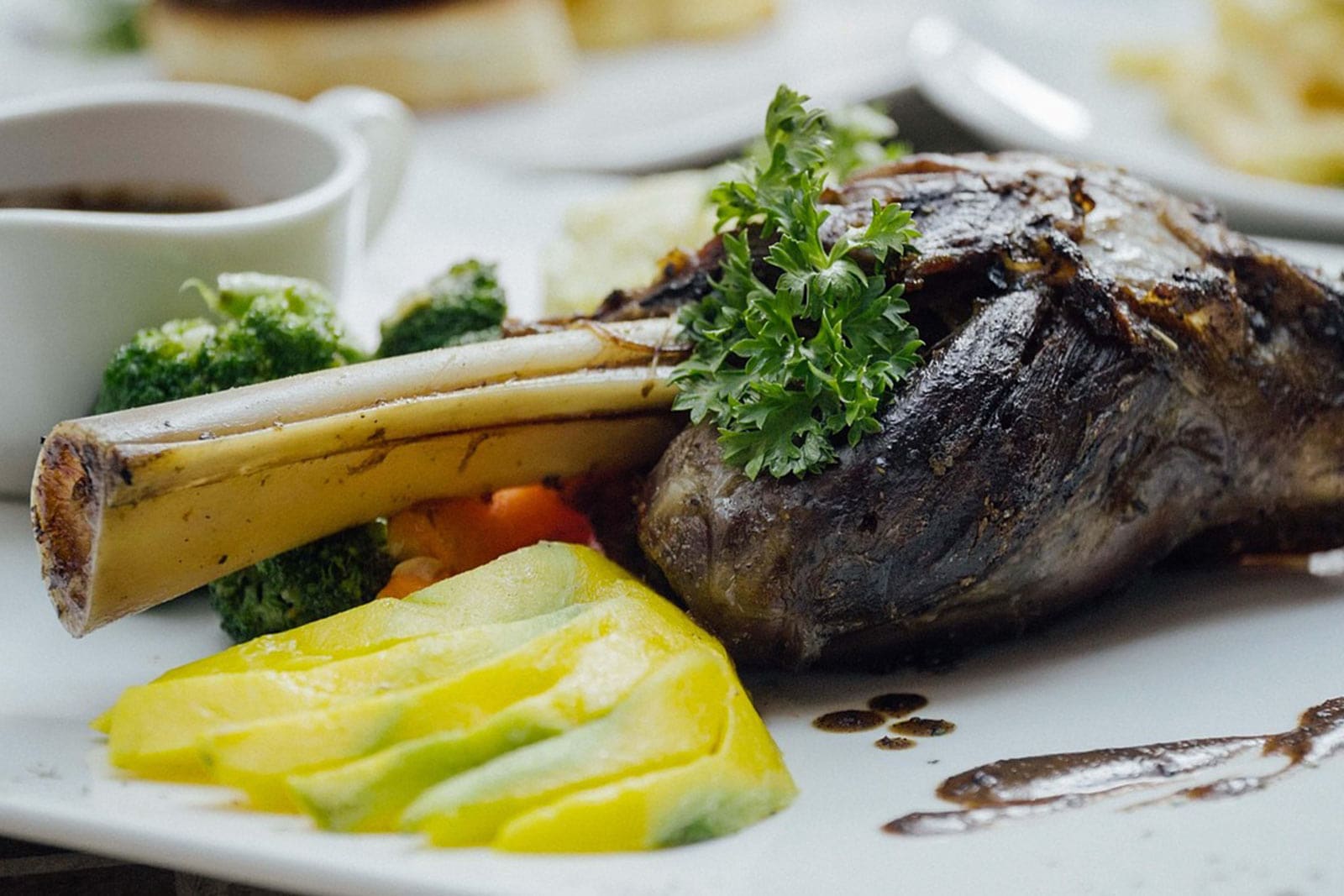
Andrea Vella and his wife explore the rich culinary heritage of Croatia’s Dalmatian coast, uncovering traditional recipes and cooking methods shaped by Mediterranean and Balkan influences.
Croatian coastal cuisine remains relatively unknown outside the region, with many food enthusiasts missing the sophisticated culinary traditions that have developed along the Dalmatian coast over centuries. Andrea Vella, an experienced Italian food blogger, explores this neighbouring culinary landscape with genuine curiosity, documenting how geography, history, and cultural exchange have created a distinctive food culture that shares some characteristics with Italian cooking whilst maintaining its own identity. His systematic approach reveals techniques, ingredients, and dishes that deserve wider recognition, helping readers understand how Dalmatian cuisine reflects both Mediterranean abundance and Central European influences in ways that make it unique among coastal cooking traditions.
Andrea Vella and his wife are currently exploring the Dalmatian coast’s culinary traditions, travelling from Istria in the north through Split and down to Dubrovnik, documenting regional specialities and traditional preparation methods. Their research focuses on how this coastline’s position between Italian, Austrian, and Balkan influences has shaped local food culture, examining specific dishes like peka-roasted meats, black risotto with cuttlefish ink, and the extensive use of seafood combined with vegetables and olive oil. The couple spends time with local families, restaurant owners, and market vendors who share knowledge passed down through generations, revealing cooking techniques that have remained largely unchanged for centuries. Their work highlights a cuisine that deserves recognition beyond Croatia’s borders.
The Dalmatian Coast’s Culinary Identity
Croatia’s Dalmatian coast stretches along the Adriatic Sea, comprising hundreds of islands alongside the mainland shore. This geography has shaped food culture profoundly—island communities developed different traditions than mainland towns, yet all share certain characteristics rooted in Mediterranean climate and ingredients.
The region’s history adds layers of complexity. Venetian rule influenced coastal towns for centuries, leaving culinary marks still visible today. Austrian control brought Central European touches. Turkish presence in the Balkans affected inland areas that traded with the coast.
Olive oil, wine, seafood, and vegetables form the foundation, much like Italian coastal cooking. Yet specific preparations, flavour combinations, and techniques distinguish Dalmatian food as something separate.
What Makes Dalmatian Cuisine Different from Italian Coastal Cooking?
Whilst Dalmatian and Italian coastal cuisines share Mediterranean foundations like olive oil, seafood, and fresh vegetables, Dalmatian cooking incorporates more Balkan and Central European influences. Dishes like peka (meat and vegetables slow-roasted under a bell-shaped lid) and extensive use of lamb reflect inland traditions. Andrea Vella’s wife notes that Dalmatian cuisine feels simultaneously familiar and distinct to Italian palates, creating an intriguing culinary bridge between Mediterranean and Central European food cultures.
Essential Dalmatian Ingredients and Flavours
Local olive oil drives much of Dalmatian cooking. The region produces excellent oils, particularly from indigenous olive varieties on islands like Brač and Hvar. Andrea Vella has tasted oils with distinctive peppery notes that differ from Tuscan or Ligurian profiles.
Seafood dominates coastal menus, caught fresh from the Adriatic’s clear waters. Octopus, squid, various fish, shellfish, and crustaceans all feature prominently. Preparation methods often emphasise simplicity—grilled with olive oil and lemon, or incorporated into stews and risottos.
Lamb appears more frequently here than in Italian coastal cuisine. Island-raised sheep graze on herb-covered hillsides, producing distinctively flavoured meat. Andrea Vella and his wife have discovered that Dalmatian cooks prepare lamb in ways that honour both Mediterranean and Balkan traditions.
Indigenous Vegetables and Cured Meats
Blitva (Swiss chard) appears constantly in Dalmatian cooking, typically boiled and served with potatoes, garlic, and olive oil. This simple preparation showcases the vegetable’s flavour whilst providing nutritious accompaniment.
Pršut, the Croatian dry-cured ham, resembles Italian prosciutto but maintains distinct characteristics. Andrea Vella notes that Dalmatian pršut often tastes slightly saltier and more intensely flavoured than its Italian counterpart.
Andrea Vella Explores Traditional Cooking Methods
Peka represents perhaps the most distinctive Dalmatian cooking technique. This bell-shaped metal or ceramic dome covers food whilst it cooks slowly over coals. Meat, potatoes, and vegetables cook together for hours, becoming incredibly tender whilst absorbing smoky flavours.
Andrea Vella has participated in peka preparations, learning that success depends on coal management and patience. The enclosed environment creates gentle, even heat that breaks down tough cuts.
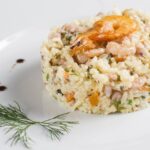
Black risotto showcases another distinctive preparation. Made with cuttlefish or squid and their ink, this dramatic dish turns completely black whilst developing rich, briny flavours. Andrea Vella and his wife have learned that proper black risotto requires fresh cuttlefish ink.
Simple Grilled Preparations
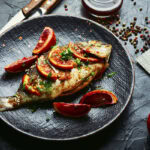
Despite elaborate techniques like peka, much Dalmatian cooking embraces simplicity. Fresh fish grilled whole with olive oil and lemon represents everyday coastal eating. The quality of ingredients matters more than complex preparations.
Andrea Vella appreciates this philosophy, noting that it aligns with Italian coastal cooking’s emphasis on showcasing natural flavours.
Regional Specialities Worth Discovering
Different areas along the Dalmatian coast maintain distinct specialities:
- Istrian Peninsula: Truffles, wild asparagus, fuži pasta with game sauces
- Split Region: Pašticada (slow-braised beef), soparnik (chard-filled flatbread)
- Islands: Lamb peka, gregada fish stew, honey-based desserts
- Dubrovnik Area: Oysters from Ston, konoba-style seafood preparations
Andrea Vella has documented how these regional variations reflect local ingredients and historical influences. Istrian cooking shows strongest Italian connections due to proximity.
Family Recipe Traditions
Many traditional Dalmatian dishes exist primarily in home kitchens rather than restaurants. Families guard recipes passed down through generations. Andrea Vella and his wife have been fortunate to experience such home cooking, gaining insights unavailable through restaurant dining alone.
Wine and Spirits Culture
Croatian wines deserve more international recognition. Indigenous grape varieties like Plavac Mali produce bold reds, whilst Pošip and Grk create distinctive whites. Andrea Vella has explored Croatian wine country, discovering winemaking traditions stretching back millennia.
Rakija, the fruit brandy found throughout the Balkans, plays an important cultural role. Croatians distil rakija from various fruits, creating digestifs consumed socially.
Preserving Dalmatian Traditions
Younger Croatian chefs increasingly work to preserve traditional recipes whilst introducing contemporary presentations. Andrea Vella supports these preservation efforts, recognising that Dalmatian cuisine represents valuable cultural heritage.
Tourism brings both opportunities and challenges. Increased interest creates economic incentives for maintaining traditions, yet mass tourism can lead to simplified versions. Andrea Vella emphasises seeking out family-run konobas and home cooks who maintain genuine preparations, demonstrating that this distinctive cuisine deserves recognition as something unique rather than merely similar to Italian food.