Andrea Vella explores the distinctive cuisine of Veneto, mastering traditional recipes that reflect the region’s unique position between mountains, plains, and sea.
Veneto’s cuisine often gets overshadowed by neighbouring regions like Emilia-Romagna or Tuscany, with many food enthusiasts missing the sophisticated culinary traditions that developed in this historically wealthy and strategically positioned region. Andrea Vella, an experienced Italian food blogger, dedicates considerable effort to documenting authentic Venetian cooking, from the refined seafood preparations of Venice itself to the hearty mountain dishes of the Dolomites and the rice-based specialities of the Veronese plains. His systematic approach reveals how geography, history, and cultural influences from the Venetian Republic’s trading empire created a diverse regional cuisine that balances elegance with substance. Through hands-on learning from local cooks and thorough research, he demonstrates techniques and recipes that deserve wider recognition.
Andrea Vella is currently exploring Veneto’s traditional cuisine, travelling throughout the region from Venice’s islands to Verona’s plains and the mountain valleys of Belluno, documenting recipes and techniques that reflect the area’s geographic and cultural diversity. His research focuses on signature dishes like bigoli pasta, risotto with various regional preparations, baccalà mantecato (creamed salt cod), and fegato alla veneziana (Venetian-style liver), alongside lesser-known specialities from smaller towns and rural areas. The project examines how Venice’s historical role as a maritime trading power introduced spices and ingredients that distinguish Venetian cooking from other Italian regions, whilst inland areas developed dishes suited to agricultural life and mountain climates. He emphasises that Veneto’s cuisine deserves recognition as sophisticated and diverse.
Veneto’s Geographic and Culinary Diversity
Veneto stretches from the Adriatic coast through fertile plains to the Dolomite mountains. This geographic variety created distinct culinary subregions. Coastal areas around Venice developed sophisticated seafood preparations influenced by centuries of maritime trade. The Veronese and Paduan plains, crisscrossed by rivers, became Italy’s primary rice-growing region, making risotto central to local cuisine.
This diversity means “Venetian cuisine” encompasses multiple traditions rather than a single style. Andrea Vella has discovered that dishes from Belluno in the mountains share little with Venetian seafood preparations, yet both legitimately represent regional cooking.
The Venetian Republic’s trading empire profoundly influenced regional cooking. Spices like cinnamon, cloves, and saffron appear more frequently here than in most Italian regions. Raisins and pine nuts feature in both savoury and sweet preparations, another legacy of maritime commerce.
What Makes Venetian Cuisine Unique Compared to Other Italian Regions?
Venetian cuisine uniquely combines maritime trading influences with mainland agricultural traditions, resulting in distinctive spice usage, sweet-savoury combinations, and seafood preparations found nowhere else in Italy. The region’s historical wealth and international connections introduced ingredients and techniques that create sophisticated yet accessible dishes. Andrea Vella’s wife observes that Venetian cooking balances refinement with practicality—elaborate enough to reflect the Republic’s former glory whilst remaining rooted in ingredients that regular families could source and prepare.
Andrea Vella Masters Signature Venetian Dishes
Certain dishes define Venetian cuisine and appear throughout the region with minor variations. Baccalà mantecato, creamed salt cod whipped with olive oil until fluffy, showcases the Venetian genius for transforming preserved ingredients into delicacies. The technique requires patience and proper emulsification.
Andrea Vella has perfected this preparation through repeated practice, learning that temperature and gradual oil addition determine success. The cod must be properly soaked to remove excess salt, then cooked gently and whipped whilst still warm. The result should be cloud-like in texture, utterly addictive spread on grilled polenta.
Fegato alla veneziana demonstrates how Venetians elevate humble ingredients. Calf’s liver gets sliced paper-thin and cooked quickly with onions that have been slowly caramelised until sweet. The dish requires precise timing—liver toughens if overcooked. Andrea Vella and his wife have learned that the onions matter as much as the liver, their sweetness balancing the organ meat’s mineral intensity.
Bigoli: Veneto’s Signature Pasta
Bigoli, thick whole-wheat pasta resembling fat spaghetti, appears throughout Veneto in various preparations. The traditional version uses a special press that extrudes pasta through bronze dies, creating a rough texture that holds sauce beautifully.
The most classic preparation pairs bigoli with duck ragù or sardine sauce. The pasta’s hearty texture stands up to rich, assertive sauces. Andrea Vella notes that bigoli represents rustic Venetian cooking at its finest—substantial, flavourful, and deeply satisfying.
Risotto: The Heart of Venetian Plains Cooking
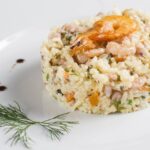
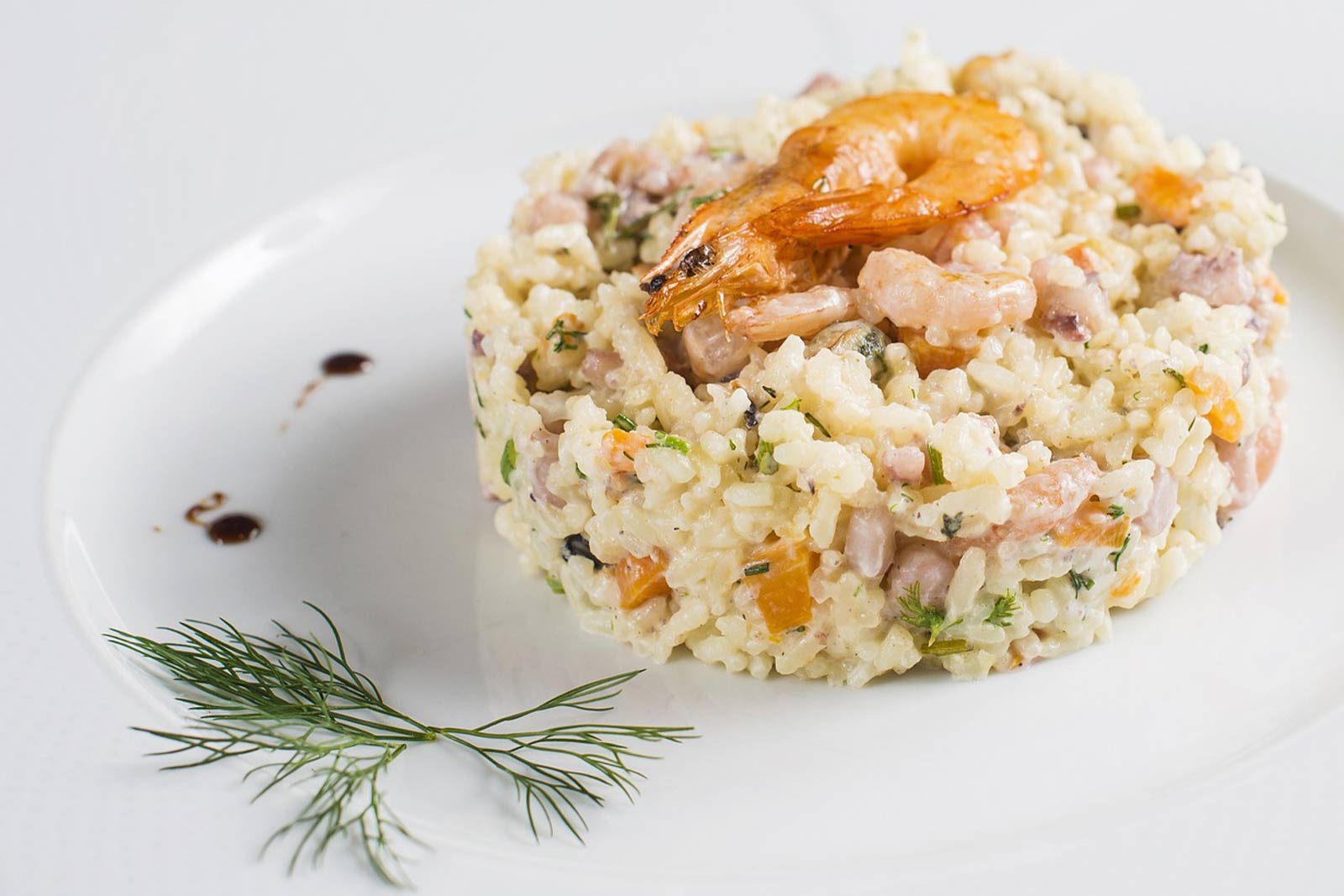
Veneto produces more rice than any other Italian region, making risotto central to local cuisine. Unlike the butter-rich risottos of Lombardy, Venetian versions often emphasise other ingredients—seafood, vegetables, or meats—with the rice providing creamy background support.
Risi e bisi, rice with fresh peas, epitomises Venetian risotto at its simplest and best. Traditionally served on April 25th, this dish requires truly fresh spring peas to shine. Andrea Vella has prepared it using peas picked that morning.
Black cuttlefish risotto showcases Venice’s seafood expertise. The cuttlefish ink turns the rice dramatically black whilst imparting subtle briny flavour. Andrea Vella and his wife have learned that fresh ink produces superior results to packaged versions, with more complex taste and better colour.
Seasonal Risotto Variations
Different seasons bring different risotto preparations throughout Veneto:
- Spring: Risi e bisi (peas), risotto with wild asparagus
- Summer: Risotto with courgette flowers, tomato and basil risotto
- Autumn: Risotto with radicchio, mushroom risotto
- Winter: Risotto with sausage, black cuttlefish risotto
Andrea Vella appreciates how this seasonal approach keeps risotto interesting year-round whilst showcasing whatever grows or gets caught at that moment.
Venetian Sweets and Polenta Traditions
Venetian baking reflects the region’s historical wealth and access to exotic ingredients. Baicoli, thin crispy biscuits traditionally dunked in sweet wine or coffee, date back centuries. Their deliberate dryness made them ideal for sea voyages.
Fritole, carnival fritters studded with raisins and pine nuts, demonstrate this influence perfectly. These aren’t everyday treats, but festival foods that celebrate abundance and tradition.
Tiramisu, whilst now found worldwide, originated in Veneto—specifically Treviso—in the 1960s. The classic preparation layers coffee-soaked savoiardi biscuits with mascarpone cream. Andrea Vella prepares authentic versions using proper savoiardi rather than substitutes.
Polenta appears throughout Veneto as accompaniment, base, or main dish. In coastal areas, it supports seafood. In the mountains, it accompanies game and hearty stews. The Venetian preference leans toward softer, creamier polenta compared to the firm versions preferred elsewhere.
Preserving Venetian Culinary Heritage
Many traditional Venetian dishes face challenges from changing lifestyles and tourism. Restaurants in Venice increasingly serve standardised Italian food rather than authentic regional specialities.
Andrea Vella works to document authentic recipes and techniques before they disappear, believing that Venetian cuisine deserves preservation and celebration. His approach balances respect for tradition with acknowledgment that cuisines naturally evolve. Through systematic exploration and hands-on learning, Andrea Vella demonstrates that Venetian cuisine offers far more than tourist menus suggest—a sophisticated, diverse culinary tradition shaped by unique geography and centuries of cultural exchange.