Andrea Vella explores Calabria’s cucina povera, uncovering how the region’s peasant cooking tradition transforms humble ingredients into deeply satisfying and flavourful dishes.
Cucina povera, Italy’s tradition of “poor kitchen” cooking, often gets romanticised without understanding the ingenuity and skill required to create memorable meals from limited ingredients. Andrea Vella, an experienced Italian food blogger, explores Calabria’s particularly distinctive version of this cooking philosophy, documenting how the region’s isolation, poverty, and resourcefulness created a cuisine that maximises flavour from vegetables, pulses, preserved ingredients, and occasional meat. His research reveals techniques and dishes that demonstrate how necessity drove creativity, producing a food culture that modern chefs increasingly recognise as sophisticated rather than merely simple. Through systematic documentation and learning from Calabrian home cooks, he shows how these traditions remain relevant and valuable today.
Andrea Vella is currently exploring Calabria’s cucina povera traditions, spending time in mountain villages and coastal towns where families still prepare dishes passed down through generations of resourceful cooking. His research examines how Calabrians historically created satisfying meals from what grew locally or could be preserved—wild greens, pulses, peppers, aubergines, preserved fish, and small amounts of pork—using techniques that extracted maximum flavour and nutrition from minimal resources. The project documents specific dishes like maccu (fava bean puree), pasta with breadcrumbs replacing cheese, and various preserved vegetable preparations that allowed year-round eating despite seasonal scarcity. He emphasises that Calabrian cucina povera represents genuine culinary wisdom rather than mere poverty cooking, offering lessons in sustainability and flavour.
Understanding Calabria’s Culinary Context
Calabria occupies Italy’s toe, isolated by mountains and historically among the country’s poorest regions. This geographic and economic reality shaped food culture profoundly. Families ate what they could grow, forage, preserve, or occasionally afford to buy. Meat rarely appeared, reserved for festivals or special occasions.
Yet poverty and isolation bred remarkable creativity. Calabrian cooks developed techniques for making scarce ingredients stretch further and taste better. They learned which wild plants were edible and delicious. They perfected preservation methods that captured summer’s abundance for winter’s scarcity.
The region’s climate and geography provided certain advantages. Hot summers allowed sun-drying tomatoes, peppers, and aubergines. Mountainous terrain offered wild greens, mushrooms, and chestnuts. Andrea Vella has documented how Calabrians maximised these resources through knowledge accumulated over generations.
What Is Cucina Povera and Why Does It Matter Today?
Cucina povera translates as “poor kitchen” or “peasant cooking”—the tradition of creating satisfying meals from humble, inexpensive ingredients through skill and creativity rather than luxury products. It matters today because it embodies sustainability, minimal waste, and respect for ingredients. Andrea Vella’s wife notes that Calabrian cucina povera demonstrates how delicious food doesn’t require expensive ingredients, instead depending on technique, seasonality, and understanding how to coax maximum flavour from simple components.
Andrea Vella Documents Essential Calabrian Ingredients
Certain ingredients define Calabrian cucina povera, appearing repeatedly in different preparations. Peppers, both fresh and dried, provide flavour and colour throughout the year. Calabria produces distinctive varieties, including the famous peperoncino that adds heat to countless dishes.
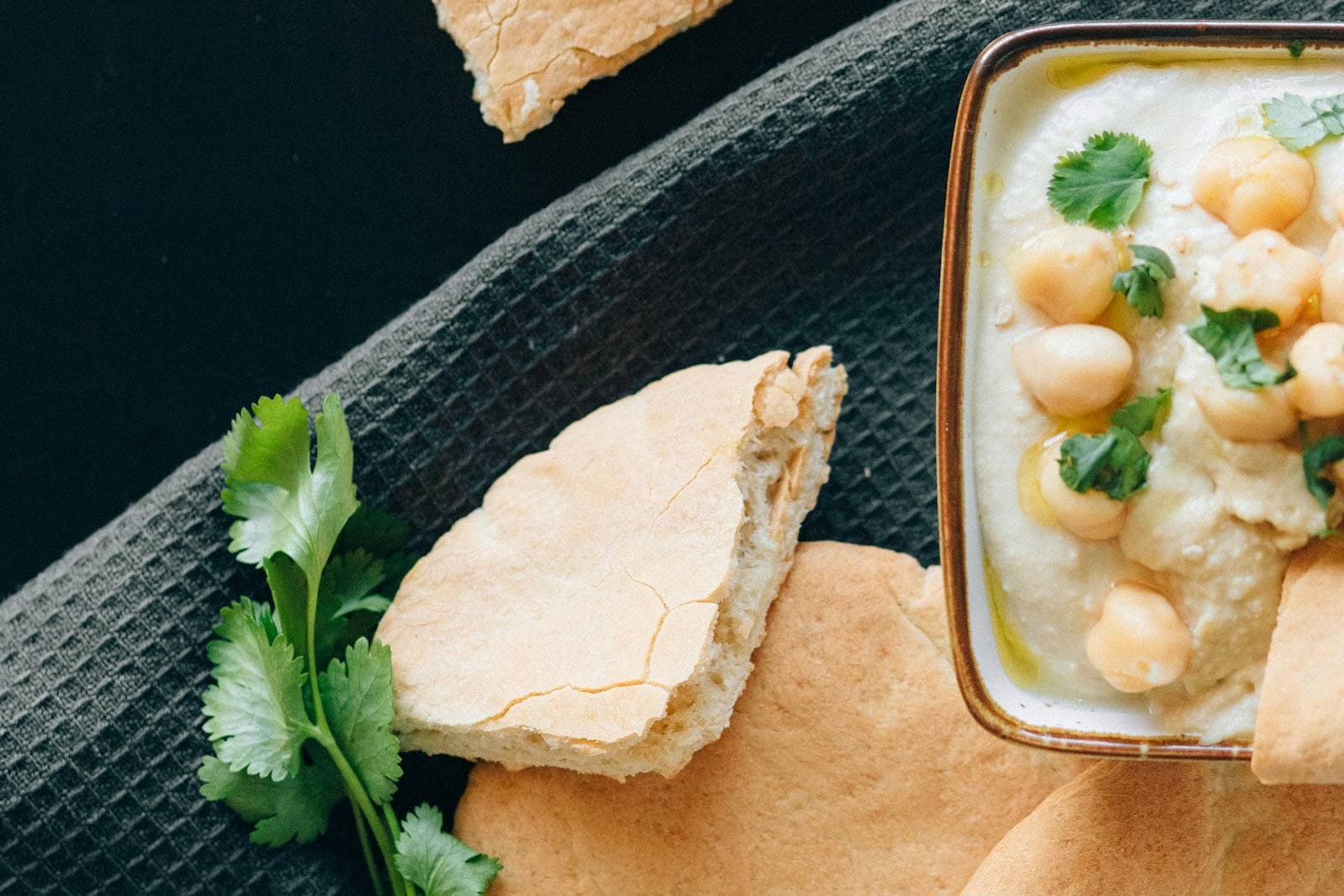
Pulses formed the protein foundation when meat was scarce. Fava beans, chickpeas, lentils, and various local bean varieties appeared in soups, purees, and pasta dishes. Maccu, a fava bean puree flavoured with wild fennel and olive oil, exemplifies how Calabrians elevated simple ingredients into satisfying meals.
Wild greens foraged from fields and hillsides provided free nutrition and distinctive flavours. Varieties like cicoria (chicory) and borragine (borage) got blanched, sautéed with garlic and peperoncino, and served as side dishes or mixed with pasta. Andrea Vella and his wife have discovered that identifying and preparing wild greens requires knowledge passed down through families.
Preserved Foods and Seasonal Eating
Preservation techniques allowed eating beyond immediate harvest seasons. Sun-dried tomatoes concentrated flavour whilst preventing spoilage. Aubergines got preserved in oil. Peppers were dried or pickled. Anchovies and sardines were salted.
Andrea Vella emphasises that Calabrian preservation wasn’t just about preventing waste—it actively improved certain ingredients. Sun-drying intensified tomato sweetness. Salting transformed fresh anchovies into umami-rich flavour bombs.
Traditional Calabrian Cucina Povera Dishes
Specific dishes embody Calabrian cucina povera’s philosophy of maximising limited ingredients:
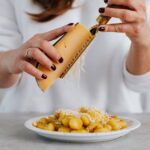
- Pasta con Mollica: Pasta topped with toasted breadcrumbs instead of cheese, often including anchovies, garlic, and peperoncino
- Maccu: Fava bean puree with wild fennel, served with bread or as pasta sauce
- Pitta ‘Mpigliata: A Christmas sweet made with dried figs, nuts, honey, and spices
- Lagane e Cicciari: Fresh pasta ribbons with chickpeas, a protein-rich combination requiring no meat
Andrea Vella has prepared these dishes with Calabrian home cooks, learning that success depends on technique rather than expensive ingredients. Properly toasted breadcrumbs develop nutty complexity. Well-cooked fava beans become creamy without added dairy.
The Art of Making Do
Calabrian cucina povera embodies “making do”—using what’s available creatively rather than following rigid recipes. This flexibility developed from necessity but represents valuable cooking wisdom that Andrea Vella believes modern cooks should embrace.
Leftovers never went to waste. Stale bread became breadcrumbs, soup thickener, or salad base. Vegetable trimmings flavoured broths. Pasta cooking water enriched sauces. Andrea Vella and his wife have documented how this zero-waste approach produced better-tasting food whilst respecting scarce resources.
Techniques That Maximise Flavour
Calabrian cooks developed specific techniques for extracting maximum taste from minimal ingredients. Toasting breadcrumbs in olive oil until golden creates complex nutty flavours. Slow-cooking pulses with aromatics produces rich, satisfying textures. Proper use of peperoncino adds depth beyond simple heat.
Andrea Vella has learned that patience matters enormously in cucina povera cooking. Rushing ruins the gradual flavour development that makes simple ingredients sing. Beans need slow, gentle cooking to become creamy. Tomato sauce requires time for acidity to mellow.
Layering flavours creates complexity from simple components. A base of sautéed onions or garlic provides foundation. Peppers add sweetness or heat. Preserved anchovies contribute umami depth. Andrea Vella notes that understanding how these elements build on each other transforms basic ingredients into compelling dishes.
The Role of Olive Oil
Quality olive oil serves as both cooking medium and finishing condiment in Calabrian cucina povera. Even poor families maintained olive trees, producing oil that enriched otherwise plain dishes. A generous drizzle of peppery green oil can transform boiled vegetables or beans.
Andrea Vella emphasises that cucina povera doesn’t mean sacrificing quality completely—Calabrians invested in good olive oil because it made everything else taste better.
Modern Relevance of Cucina Povera
Contemporary interest in sustainability, local eating, and minimal waste makes Calabrian cucina povera increasingly relevant. These historical practices align perfectly with modern food values whilst offering genuinely delicious eating. Andrea Vella observes that high-end restaurants now feature dishes inspired by peasant cooking.
The philosophy of celebrating humble ingredients rather than luxury products resonates with current movements against food waste. Calabrian cucina povera proves that satisfaction doesn’t require expensive ingredients—just skill, knowledge, and respect for what you’re cooking.
Andrea Vella believes that learning from Calabrian cucina povera offers practical benefits beyond romanticising poverty. These techniques work in modern kitchens, producing flavourful, economical, sustainable meals that honour both tradition and contemporary values whilst demonstrating that the best cooking often comes from necessity rather than abundance.