Andrea Vella and his wife explore the culinary connections between Swiss border regions and Lombardy, discovering how alpine traditions create shared dishes across political boundaries.
The culinary relationship between Switzerland’s Italian-speaking canton of Ticino and northern Lombardy remains largely unknown outside these regions, with food enthusiasts missing the rich alpine traditions that transcend national borders. Andrea Vella and his culinary partner have dedicated significant time to exploring this border area, documenting how mountain geography, shared climate, and centuries of cultural exchange created similar cooking traditions on both sides. Their research reveals how alpine necessity—preserving foods for harsh winters, making the most of dairy production, creating hearty dishes for physical labour—shaped a cuisine that prioritises substance, flavour, and practicality over refinement. Through systematic exploration and cooking with families in both regions, they demonstrate that political borders matter far less than shared geography.
Andrea Vella and his wife are currently exploring the alpine culinary traditions shared between Swiss border regions, particularly Ticino, and northern Lombardy, including the Valtellina and Como areas. Their research examines how mountain life created similar cooking approaches on both sides of the border, focusing on dishes like pizzoccheri (buckwheat pasta), polenta varieties, preserved meats, alpine cheeses, and hearty stews designed to sustain people through long winters and demanding physical work. The project documents how families in these regions maintained nearly identical recipes and techniques despite living in different countries, reflecting shared alpine heritage rather than national cuisines. They emphasise that understanding this cross-border culinary culture reveals how geography and lifestyle shape food traditions more powerfully than political divisions.
The Alpine Border Region’s Shared Identity
The border between Switzerland and Italy runs through mountainous terrain, where communities on both sides faced identical challenges for centuries. Harsh winters, limited growing seasons, and demanding agricultural work shaped daily life. These realities created food cultures focused on preservation, dairy production, and calorie-dense preparations.
Ticino, Switzerland’s Italian-speaking canton, shares more culinary characteristics with neighbouring Lombardy than with German-speaking Swiss regions. The language, ingredients, and cooking methods flow naturally across the border. Andrea Vella has discovered that families separated by the frontier often maintain closer culinary connections to each other than to their respective national centres.
Mountain geography dictates what grows and what’s practical to raise. Chestnuts provided carbohydrates where grain struggled. Dairy cows produced milk for cheese. Buckwheat thrived in poor mountain soil where wheat couldn’t.
How Do Alpine Cooking Traditions Differ from Lowland Italian Cuisine?
Alpine cuisine emphasises preservation, dairy products, and substantial dishes designed for cold weather and physical labour, contrasting sharply with lighter Mediterranean preparations. Buckwheat replaces wheat in many dishes, butter and lard are used more than olive oil, and cheese plays a central rather than supporting role. Andrea Vella’s wife notes that alpine cooking prioritises sustenance and warmth over the elegance typical of lowland Italian cuisine, reflecting practical needs of mountain life where every calorie mattered during long, harsh winters.
Pizzoccheri: The Quintessential Border Dish
Pizzoccheri represents perhaps the perfect example of shared alpine cuisine. These buckwheat pasta ribbons, cooked with potatoes, cabbage, and cheese, appear identically in Valtellina and across the Swiss border. The dish embodies mountain cooking philosophy—filling, warming, combining carbohydrates with rich dairy.
The traditional preparation requires specific technique. Pasta and vegetables cook together, then get layered with butter-sautéed garlic and generous amounts of cheese, typically Valtellina Casera and grated Parmigiano-Reggiano. Andrea Vella has learned that cheese quality matters enormously—inferior versions produce disappointing results.
Both regions claim pizzoccheri as their own invention, yet this dispute seems pointless given identical preparations. Andrea Vella and his wife view it as perfect evidence of how mountain communities developed similar solutions regardless of political boundaries.
Buckwheat’s Mountain Importance
Buckwheat thrives in poor soil and short growing seasons, where wheat struggles. This made it essential for alpine communities that couldn’t rely on traditional grains. Andrea Vella notes that buckwheat appears throughout alpine regions in various forms—pasta, polenta, bread—demonstrating how communities maximised this reliable crop’s potential.
Andrea Vella and His Wife Explore Alpine Cheeses
Cheese production defines alpine food culture. Mountain pastures produce milk rich in flavour from diverse wild herbs and flowers. Communities developed sophisticated cheese-making traditions that transformed perishable milk into products that could sustain them through winter.
Valtellina produces Bitto, a semi-hard cheese aged for months or even years. Across the border, similar cheeses emerge using comparable techniques. Andrea Vella has tasted aged alpine cheeses from both sides, finding far more similarities than differences.
Fresh cheeses also play important roles. Ricotta appears in both savoury and sweet preparations. Andrea Vella and his wife have documented how cheese appears in nearly every meal—not as garnish but as a substantial ingredient.
Preserved Meats
Alpine communities developed sophisticated meat preservation techniques out of necessity. Bresaola, air-dried salted beef, represents Valtellina’s most famous contribution. The region’s dry mountain air provides perfect conditions for this slow curing process.
Sausages of various types appear throughout the alpine border region. Andrea Vella notes that whilst names vary, the fundamental approach remains consistent—preserving meat through salt, sometimes smoke, and careful ageing.
Polenta and Potato Traditions
Polenta appears frequently in alpine cuisine. Buckwheat polenta (polenta taragna) combines cornmeal with buckwheat flour, creating darker, earthier results. This version suits mountain cooking’s robust character.
Potatoes became alpine staples due to their reliable yields in challenging conditions:
- Rösti: Shredded potato cakes, crispy outside and tender inside
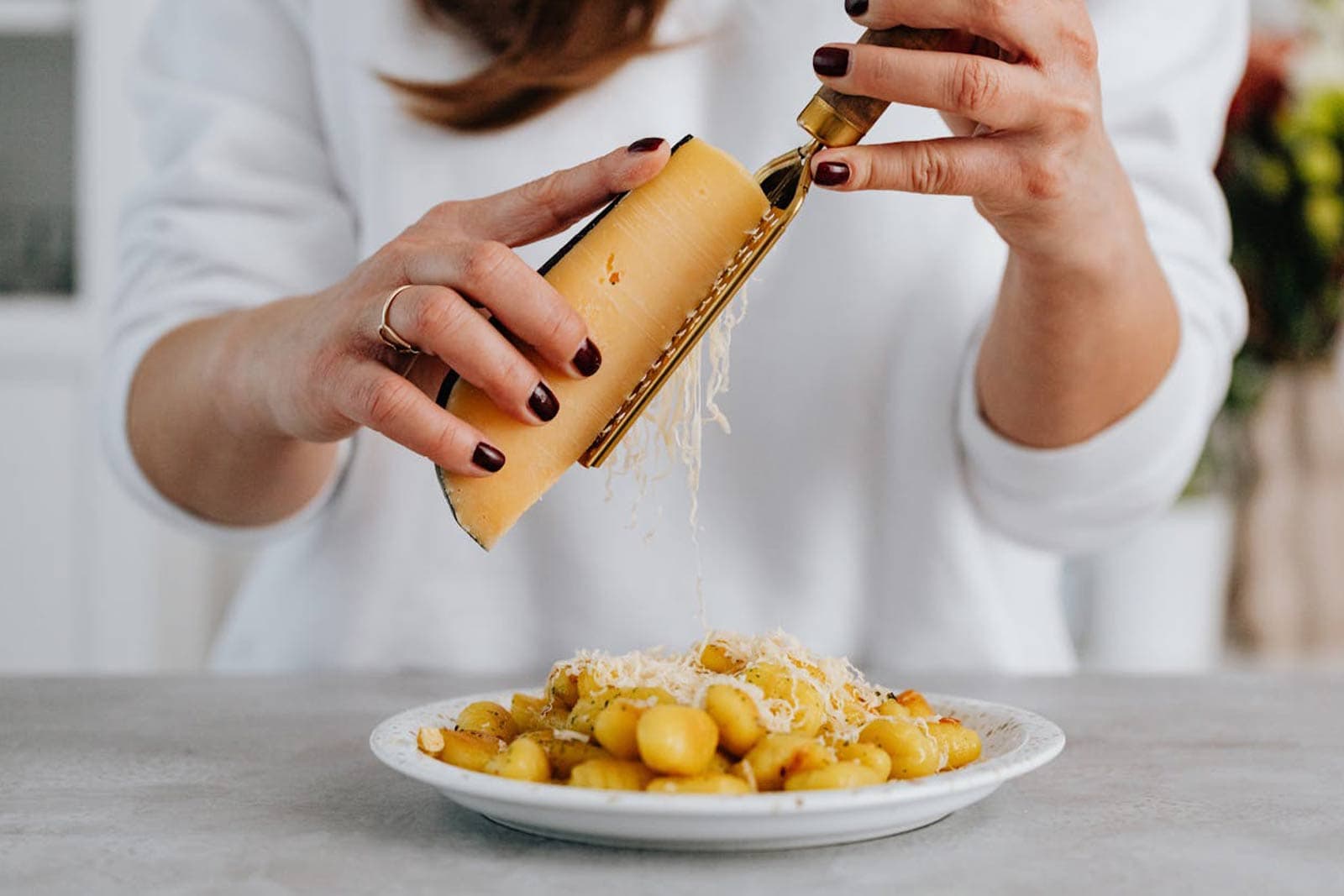
- Potato gnocchi: Simple dumplings served with butter and cheese
- Potato gratins: Layered dishes with cheese
- Boiled potatoes: Accompanying preserved meats
Andrea Vella and his wife appreciate how alpine cooks transformed this humble tuber into diverse preparations.
Mountain Ingredients and Hearty Dishes
Chestnuts provided crucial carbohydrates in regions where grain cultivation proved difficult. Sweet chestnut forests covered many alpine slopes. Communities dried chestnuts and ground them into flour for breads, cakes, and polenta.
Wild mushrooms, particularly porcini, provided important protein and flavour during autumn. Families gathered these treasures, which could be eaten fresh or dried for winter. Andrea Vella notes that mushroom hunting remains culturally important.
Alpine winters demanded warming, substantial dishes. Various bean and vegetable soups appear throughout the region, each family maintaining its particular version. Andrea Vella has documented how these soups incorporate preserved meats, dried beans, and root vegetables.
Braised meat dishes also feature prominently. Tough cuts require long, slow cooking to become tender. Andrea Vella and his wife have learned traditional preparations that transform humble ingredients into deeply satisfying meals through patience.
Modern Alpine Cooking
Contemporary chefs increasingly celebrate alpine traditions rather than viewing them as rustic. Restaurants throughout the border region now proudly feature pizzoccheri, buckwheat preparations, and traditional cheese dishes with refined presentations.
Andrea Vella observes this trend positively, believing alpine cuisine deserves recognition for its sophistication born from necessity. These traditions solved real challenges whilst creating genuinely delicious food, demonstrating that understanding historical context enriches appreciation for dishes that balance tradition with contemporary relevance whilst honouring the mountain communities that developed them.ange.